
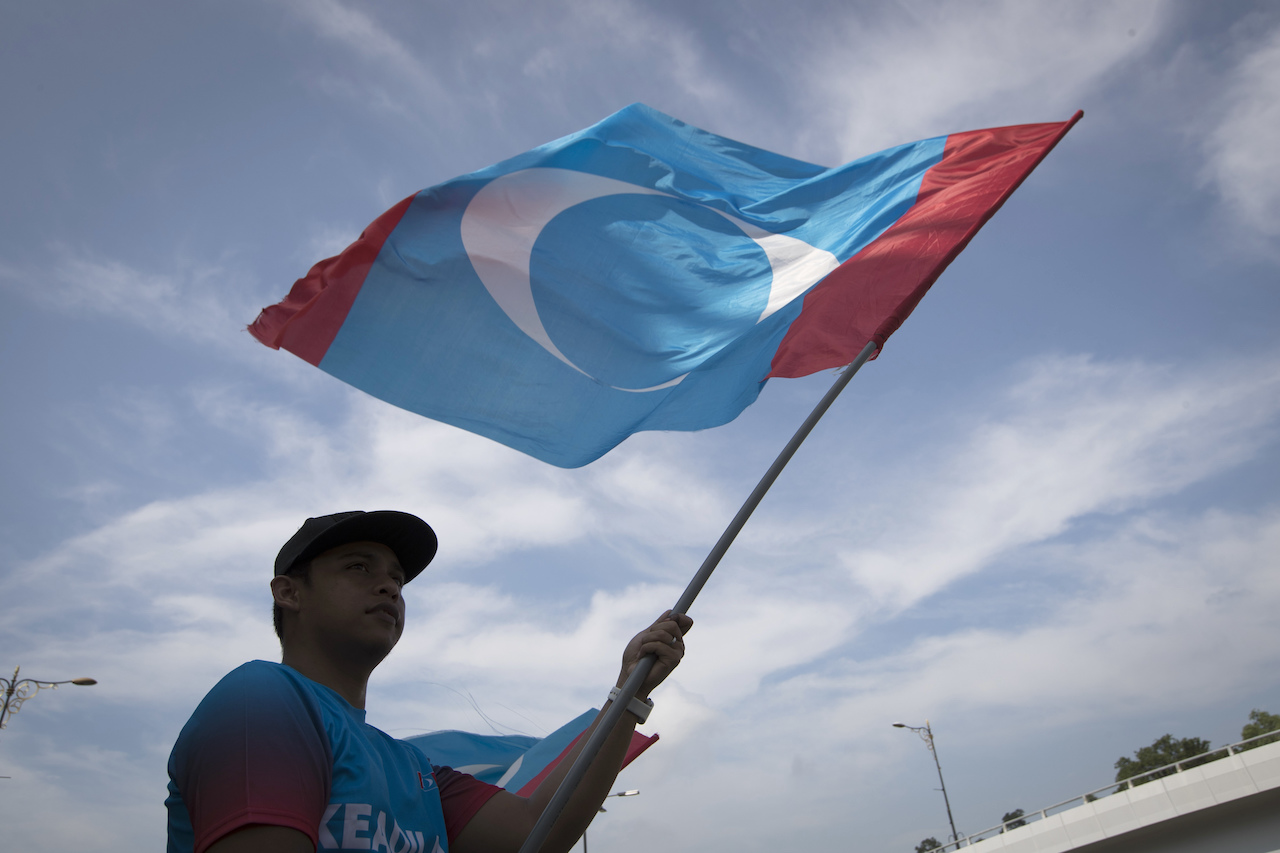
Johor has been a Barisan Nasional stronghold for decades. It is the birthplace of Umno. Breaking into Johor was never going to be easy — just like trying to break into Penang, which is practically a DAP stronghold. Some states just do not flip easily.
But 2018 was different. Public frustration was at an all-time high. The opposition formed a coalition — PKR, DAP, Amanah, and Bersatu. The result? PH won 36 out of 56 seats. Voter turnout was over 80 percent. It was a political earthquake.
Then came the Sheraton Move in 2020. The PH federal government collapsed. Bersatu walked away. The coalition that won Johor together was now fractured beyond repair.
When the 2022 Johor state election came around, PH was a shadow of its former self. Without Bersatu's Malay vote pull, and without the momentum of 2018, they lost the state without putting up much of a fight.
The 2026 Lineup: New Faces, Familiar Challenges
PH is contesting all 56 seats — 20 for PKR, 19 for Amanah, and 17 for DAP. They have unveiled a lineup of mostly new faces, hoping to refresh the brand. The strategy is clear: move beyond the old guard, present a fresh alternative, and convince voters that this is not the same PH that lost in 2022.
But fresh faces alone will not win elections. The biggest concern? Turnout.
The same whispers are circulating: people are tired, they do not bother, they are too busy. If turnout stays low like 2022, PH will struggle. Some analysts predict BN could win as many as 53 seats. Others say PH is still in the fight, with 31 seats considered too close to call. They believe if turnout crosses 70 percent, they have a real shot. But that is a big if.
Unlike 2022, PH now has the machinery of the federal government behind them. Prime Minister Anwar Ibrahim has been actively campaigning.
The argument is simple: vote PH to keep state and federal governments aligned. A united front means better coordination, faster development, and no political friction.
But is that enough to convince Johoreans? The state has a long memory. It remembers 2018. It remembers the Sheraton Move. It remembers the promises made and broken.
Fighting on Multiple Fronts
PH is also fighting on multiple fronts. Bersama, the new party led by Rafizi Ramli, could potentially siphon reformist votes. PAS has urged supporters to vote for BN in seats where it is not contesting — a strategic move to weaken PH in Malay-majority areas. Marina Ibrahim's exit from DAP has been weaponised to paint the party as divided.
Every front matters. Every vote lost to Bersama, every Malay vote swayed by PAS's call, every perception of disunity — they all add up. In a state where margins can be razor-thin, these factors could be decisive.
The 2022 Johor election was a wake-up call. Voter turnout fell to just 54.5 percent, and PH paid the price. When people stay home, the incumbents win. It is a simple arithmetic that has held true across Malaysian elections.
PH knows this. That is why Anwar has been making repeated trips to Johor. That is why the party has been emphasising the importance of voting. But can they overcome the fatigue? Can they convince a disillusioned electorate that their vote still matters?
The answer is uncertain. But one thing is clear: if PH cannot get voters to the polling stations, all the strategies in the world will not matter.
The Turnout Dilemma
So will PH win? Maybe. Maybe not. One thing is certain: they will not go down without a fight.
But winning Johor — the BN heartland — was always going to be an uphill battle. For PH to succeed, they need voters to show up. And in a state where turnout has been historically decisive, the question is not just about policies or candidates. It is about whether enough people believe their vote still matters.
The 2018 victory was built on a wave of public anger and hope. The 2022 defeat was a lesson in what happens when that wave recedes. Now, PH is trying to build something more sustainable: a coalition that can survive without the momentum of a national tsunami.
Whether they succeed depends on factors beyond their control — global trends, local sentiment, and the mood of a weary electorate. But one thing is certain: Johor is not giving up its crown easily. And PH knows it.