
Just after 3am on July 20, 2026, more than 25,000 football fans packed Dataran Merdeka to watch the FIFA World Cup final between Spain and Argentina.
The crowd roared. The giant screen blazed. For a few hours, the historic square transformed into an "open-air stadium", filled with passion, unity, and the kind of national pride that makes you believe in Malaysia.
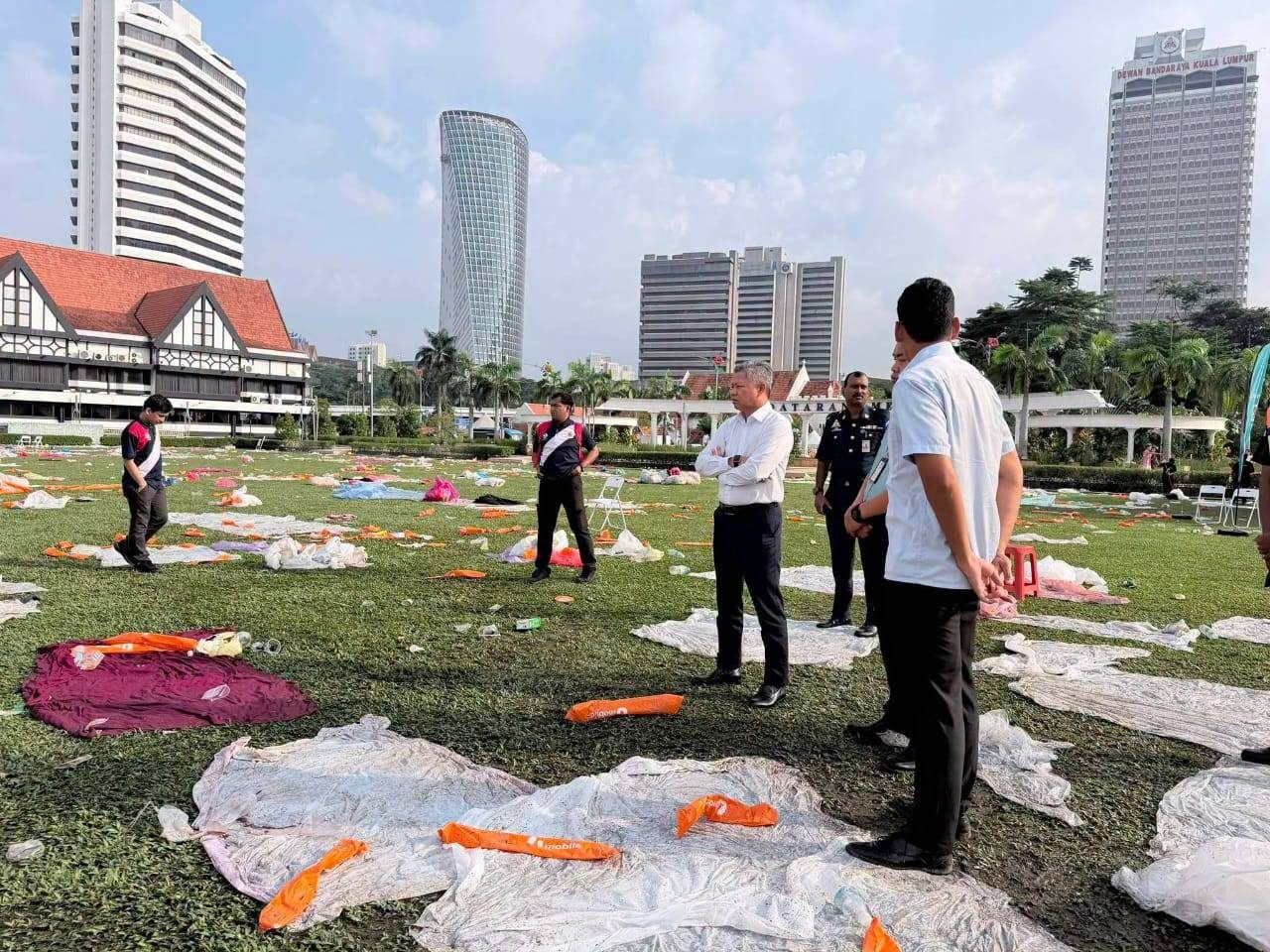
Then the final whistle blew. Spain won 1-0. The crowd dispersed. And Dataran Merdeka was left strewn with rubbish. Images of the litter-strewn square went viral on social media.
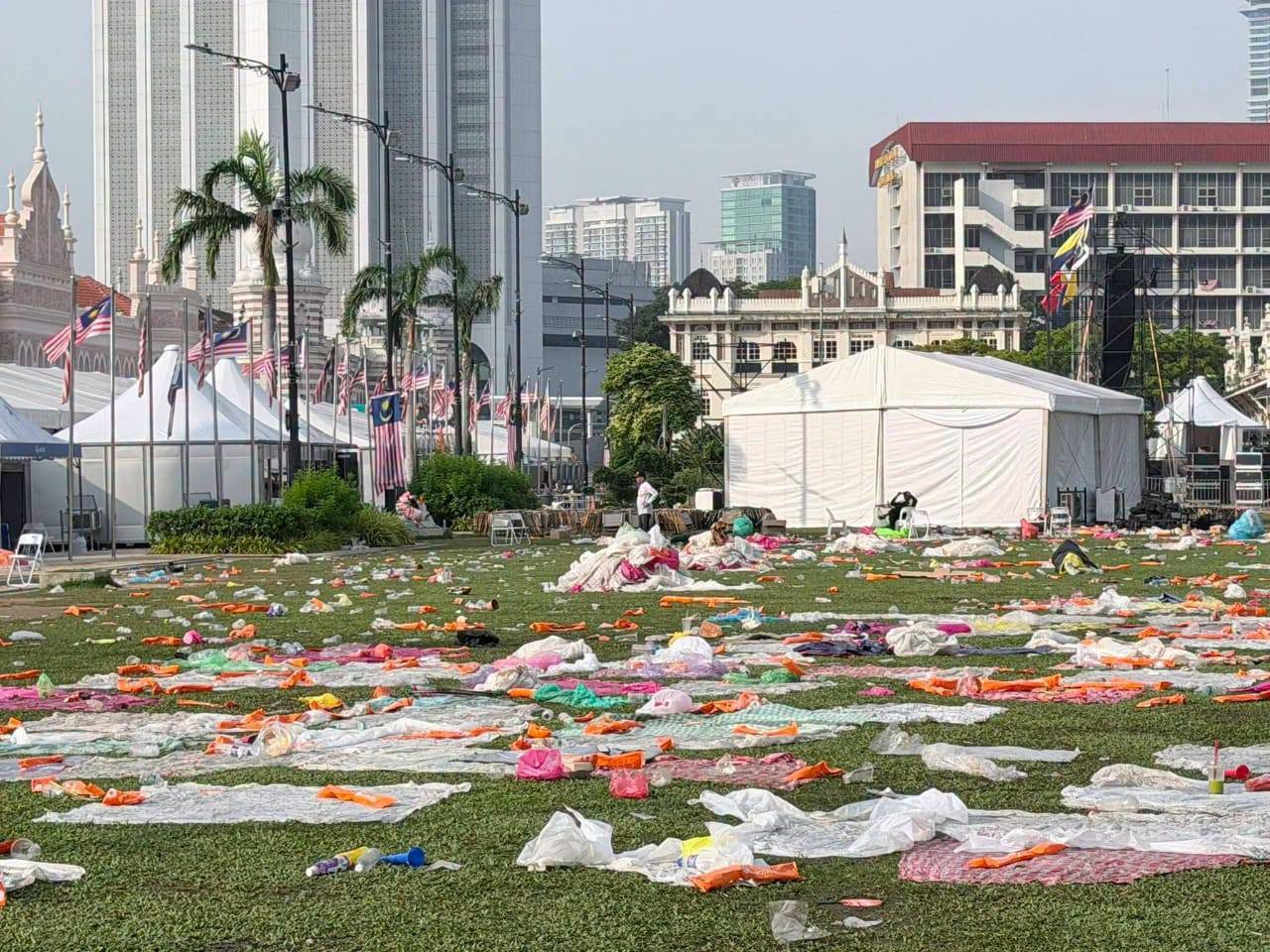
Kuala Lumpur City Hall (DBKL) expressed its disappointment, saying: "When the cheers ended, this historic field was left covered with rubbish".
Federal Territories Minister Hannah Yeoh echoed the sentiment, reminding Malaysians that disposing of rubbish in bins is "a basic civic responsibility that should not be left entirely to public workers".
She put it bluntly: "The right to receive public services does not mean every responsibility can be passed on to public workers. They should not have to clean up rubbish that we deliberately leave behind".
DBKL cleaned it up. As they always do. As they always will. And that, precisely, is the problem.
A Nation That Expects Someone Else to Clean Up
Year after year, after every major public gathering—National Day celebrations, New Year's Eve countdowns, concerts, football screenings—the story is the same.
Thousands gather. Thousands celebrate. Thousands leave. And a small army of municipal workers arrives at dawn to collect what the crowd could not be bothered to carry to a bin.
We have become a nation that treats public spaces as disposable. We celebrate in them, we cheer in them, we fill them with energy and joy. And then we walk away, leaving behind our cups, our food wrappers, our plastic bags, our convenience, as if the act of cleaning is someone else's problem.
That is the uncomfortable truth we keep avoiding. You cannot build a first-class nation with a third-class mentality.
The Japan Habit We Desperately Need
Look at Japan. After the 2022 FIFA World Cup, Japanese fans stayed behind to clean the stadium—not because they were told to, but because it had become a habit, a point of national pride, a quiet statement of who they are as a people.
They brought their own rubbish bags. They picked up after others. They left the stadium cleaner than they found it.
In Japan, children are taught from kindergarten to clean their own classrooms, to sort their own waste, to take responsibility for their own spaces.
The souji (cleaning) tradition is embedded in the education system. It is not about obedience. It is about ownership—the understanding that shared spaces belong to everyone, and therefore everyone has a duty to care for them.
Singapore, too, has built a culture of cleanliness through relentless public education, strict enforcement, and a collective sense of civic pride. Littering fines are high. Enforcement is consistent. But more importantly, Singaporeans have internalised the message: cleanliness is not just a rule, it is a reflection of who we are.
We can learn from them. Not by copying their laws, but by understanding their mindset.
The Government Cannot Fix What We Refuse to Change
The government can build all the bins it wants. It can deploy all the cleaners it wants. It can run all the campaigns it wants.
But until Malaysians decide that throwing rubbish into a bin is a basic act of self-respect, nothing will change.
We can complain about government inefficiency. We can point fingers at the cost of living, the quality of education, the state of infrastructure.
And all of that is valid. But none of it excuses the simple act of dropping a plastic cup on the ground when a bin is ten metres away.
The country only improves when the people improve first. Physical development—the skyscrapers, the highways, the giant screens at Dataran Merdeka—means nothing if we cannot even keep our own spaces clean.
The Bottom Line
The Dataran Merdeka mess is not about DBKL. It is not about Hannah Yeoh. It is not about the government.
It is about us.
It is about the 25,000 people who left their rubbish behind. It is about the thousands more who will do the same thing at the next event. It is about a culture that treats cleanliness as someone else's problem, rather than a shared responsibility.
We cannot wait for the government to teach us how to be civilised. We cannot wait for a law to force us to do the right thing. We cannot wait for someone else to clean up after us.
The change has to come from within. From our homes. From our schools. From our own willingness to look at a public space and see it as our own.
Because a nation that cannot keep its own square clean has no business calling itself developed.