
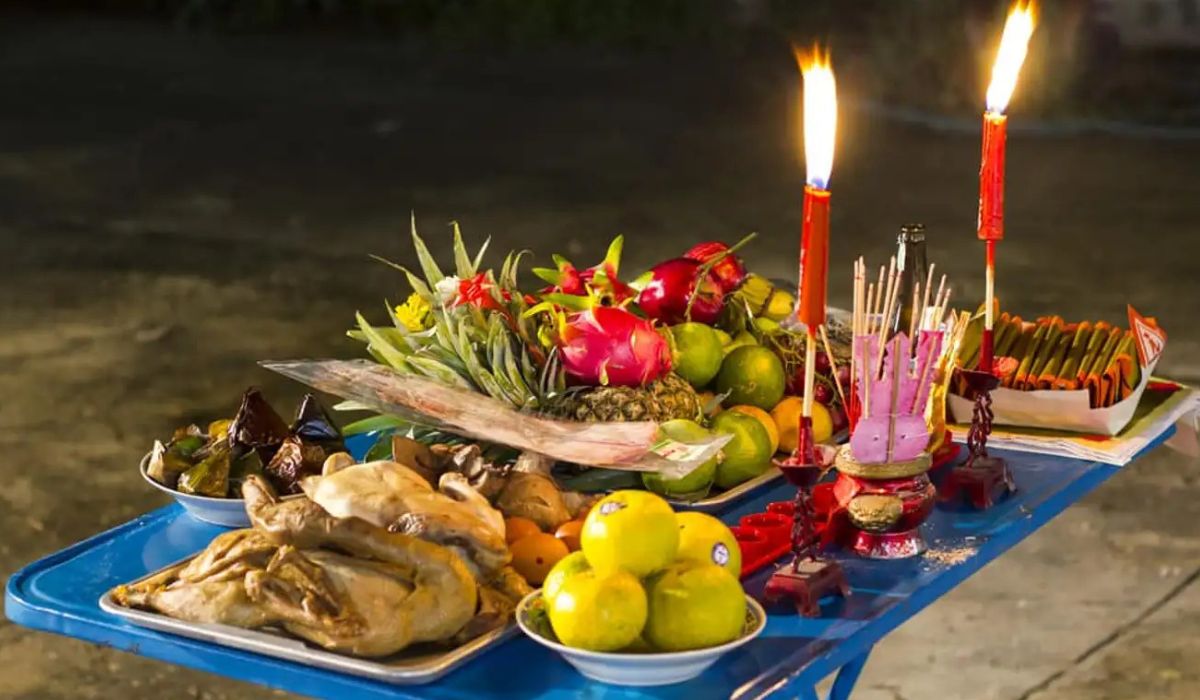
If you've been walking around the streets lately, you've probably noticed them. Joss sticks planted right next to the sidewalk, food offerings placed on the ground, plates of rice, fruits, sweets, and sometimes even whole roasted chickens. Paper money burning in metal bins, sending ash swirling into the night sky. It's that time of year again.
The annual Chinese Ghost Festival is here. And it will only end next month.
What Is This All About?
On August 13, the Chinese calendar marked the first day of the Ghost Season. But the real event happens on August 27—the day the "Hell Gates" swing open.
According to Chinese mythology, when the seventh lunar month arrives, the gates of the underworld open. All ghosts, good and evil, are released into the mortal realm.
They wander freely, seeking food, entertainment, and sometimes... mischief. For an entire month, the boundary between the living and the dead becomes thin.
The spirits of the departed walk among us, some to visit their families, others to settle old scores, and many simply to roam.
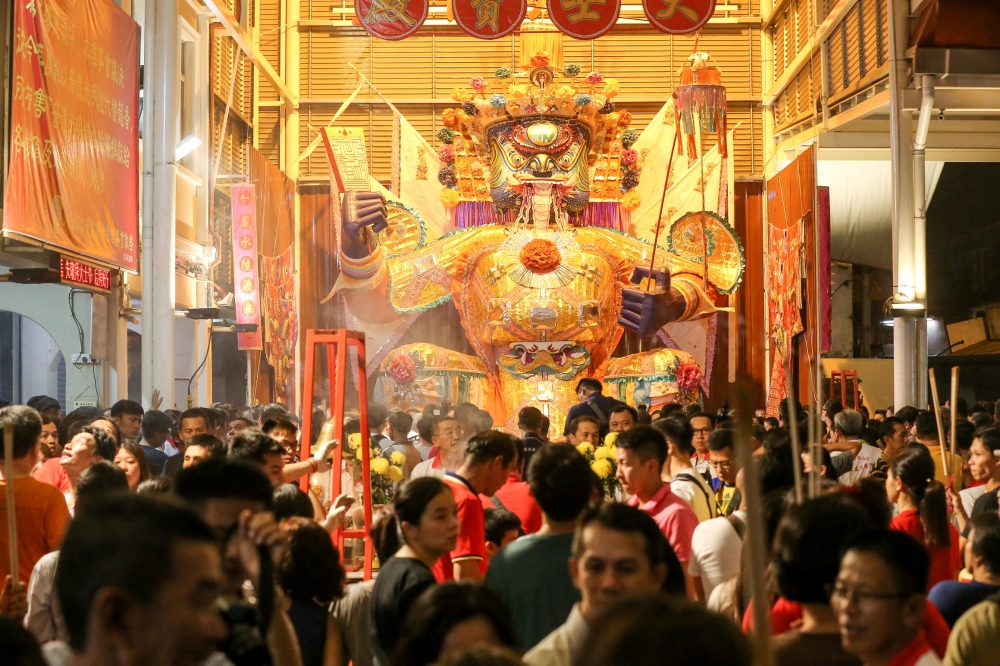
It is not a festival in the way Chinese New Year or Mid-Autumn Festival are. It is a solemn, respectful, and slightly eerie period where the living must honour the dead—and ensure they do not attract unwanted attention from the less friendly spirits.
Two Myths, One Season
The Ghost Season comes with two distinct traditions that coexist side by side.
The first is about remembrance. For many Chinese families, this is a time where they pay respects to their ancestors and lost loved ones. Families gather at temples or by the roadside to burn joss paper, spirit money that the dead can use in the afterlife. They offer food, incense, and prayers, believing that their ancestors will receive these offerings and be comforted in the spirit world.
Some families also hold elaborate prayer sessions, inviting monks or Taoist priests to chant sutras and help guide wandering spirits toward peace. It is a time to remember those who have passed, to honour their memory, and to maintain a connection that death cannot sever.
The second is about fear. According to belief, not all ghosts are benevolent. Some are "hungry ghosts", spirits who either did wicked deeds in life or died unjustly, and now roam the earth with unfinished business. These ghosts are restless, angry, and dangerous. They are the ones you do not want to encounter.
These evil ghosts are said to be attracted to offerings. They will take the food, burn the paper money, and if you are unlucky enough to offend them, they may follow you home.
People who have experienced hauntings or strange occurrences during the seventh month often attribute them to these restless spirits.
The Golden Rule: Don't Touch
Here is the one rule everyone knows: do not touch the food offerings on the streets.
Those plates of rice, fruits, and sweets placed on the ground? They are not for you. They are not for the birds. They are for the ghosts.
The belief is simple: if you take that food—or worse, kick it over or steal it—you are not just being rude. You are angering the spirits. You are stealing from the dead. And the dead, when angered, are not forgiving.
People who take offerings are said to invite misfortune upon themselves. Bad luck, illness, financial loss, or even hauntings. Some believe that the ghosts will follow the thief home, demanding their offering back. Others say that the spirits will curse the offender with misfortune for the entire year.
Even accidentally stepping on an offering is considered disrespectful. If you find yourself walking past a plate of food on the ground, the respectful thing to do is to walk around it. Avoid it. Do not disturb it.
What You Should Do
If you are walking down the street and see an offering, do not disturb it. Do not kick it. Do not take it. Do not laugh at it.
Just walk past. That is all it takes.
The Ghost Season will end in September. The joss sticks will be swept away. The food offerings will be removed. And life will return to normal.
But for now, let the traditions continue. Because whether you believe in ghosts or not, there is something powerful about a culture that refuses to forget its dead.
Conclusion
The Hungry Ghost Festival is not just about feeding spirits. It is about reminding the living that death is not the end. It is about honouring those who came before us. And it is about maintaining a connection that transcends the physical world.
The rituals may seem strange to outsiders. The offerings may seem wasteful. The fear may seem irrational. But for those who practise this tradition, it is a way of saying: even after you are gone, you are not forgotten.
So the next time you see joss sticks by the sidewalk, remember: you are not just walking past offerings. You are walking past centuries of tradition, belief, and respect.
Don't disturb them. And if you feel a chill in the air, maybe just walk a little faster.