
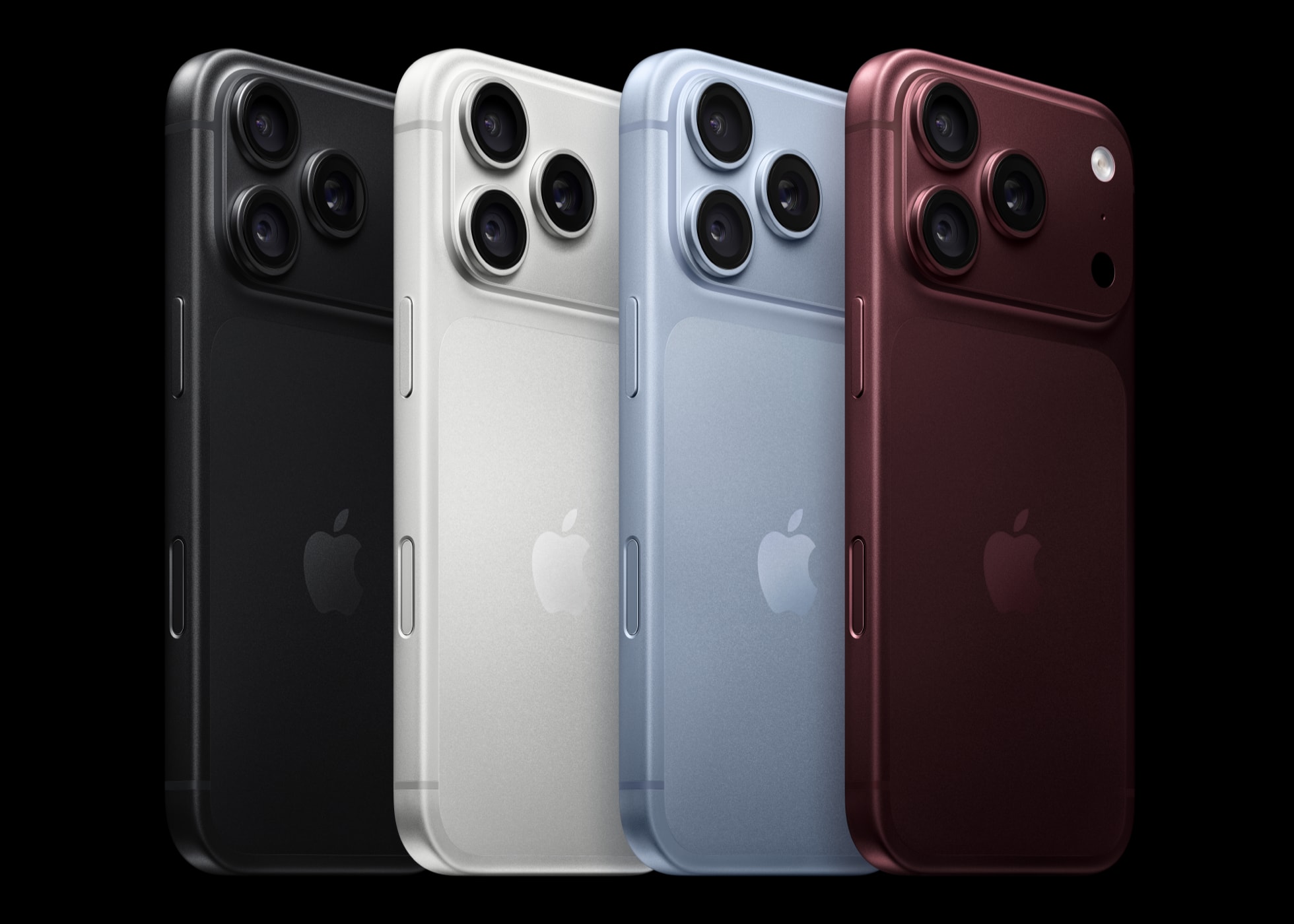
The next time you complain about an expensive iPhone, look beyond Apple.
The company’s latest launch arrives amid a global memory shortage driven partly by the explosive demand for AI infrastructure. As AI companies consume more memory for data centres, manufacturers are shifting production towards more lucrative AI-related components, squeezing supply for ordinary consumer electronics.
That could make your next phone more expensive.
AI Is Taking the Memory Supply
AI does not exist purely in the cloud.
The data centres powering it require enormous amounts of memory, particularly high-bandwidth memory (HBM) and other advanced chips. Semiconductor manufacturers are increasingly directing capacity towards these products because AI companies are willing to pay more for them.
That leaves less capacity for the memory used in smartphones, laptops, gaming consoles and other consumer devices.
The Financial Times has reported that AI demand is contributing to a major DRAM shortage, with memory prices rising sharply as manufacturers prioritise AI infrastructure. The pressure could continue through 2027 because expanding semiconductor production takes years.
The result is simple. AI is competing with your phone for the same finite manufacturing capacity.
The iPhone Shows Where This Is Going
Apple’s latest lineup is a useful example.
The iPhone 18 Pro starts at RM5,499 in Malaysia, while its new foldable iPhone Duo starts at RM9,499. More unusually, Apple did not launch the standard iPhone 18 alongside the Pro models, with the regular model expected to arrive separately in 2027.
Apple has always positioned the iPhone as a premium product. That is not new.
What is changing is the environment in which those products are being made.
When components become scarce, manufacturers have a reason to prioritise products with higher profit margins. Premium devices get the newest hardware first because they generate more money from each unit.
A shortage therefore does not necessarily make companies focus on making technology cheaper.
It can make them focus on selling fewer, more expensive devices.
Consumers End Up Paying
The average smartphone buyer has nothing to do with the AI infrastructure race.
They are not running data centres or training AI models. Yet they are now part of the same supply chain.
When memory costs rise, manufacturers have to absorb those costs, redesign products or pass some of them down to consumers. The effects will not be limited to smartphones either. The same memory supply is relevant to PCs, consoles and other electronics.
This is how an AI boom becomes a consumer problem.
The companies building AI infrastructure may be spending billions on chips, but the pressure created by that demand does not stay inside the data centre.
It reaches the devices sitting in our pockets.
The Upgrade Cycle Could Get More Expensive
There is another consequence. People may simply keep their phones longer.
That could be good news for consumers who would rather get another few years out of a perfectly functional device. But it also creates a sharper divide between people who can afford the newest hardware and those who cannot.
And the more manufacturers concentrate cutting-edge hardware in premium products, the more expensive it becomes to stay at the front of the technology curve.
That is already visible in Apple's lineup.
The AI boom is helping create a technology market where the most valuable hardware is increasingly reserved for whoever can pay the most for it.
The AI Bill Is Coming
The AI industry has spent the past few years selling us on what its technology can do.
Now we are beginning to see what building that technology costs.
It costs electricity. It costs data centres. It costs processors. And increasingly, it costs memory that would otherwise go into the consumer electronics we buy every year.
The iPhone is just one example.
The next time a phone, laptop or console becomes noticeably more expensive, the reason may have little to do with the gadget itself.
The AI boom is creating a hardware bill, and consumers are starting to receive it.