
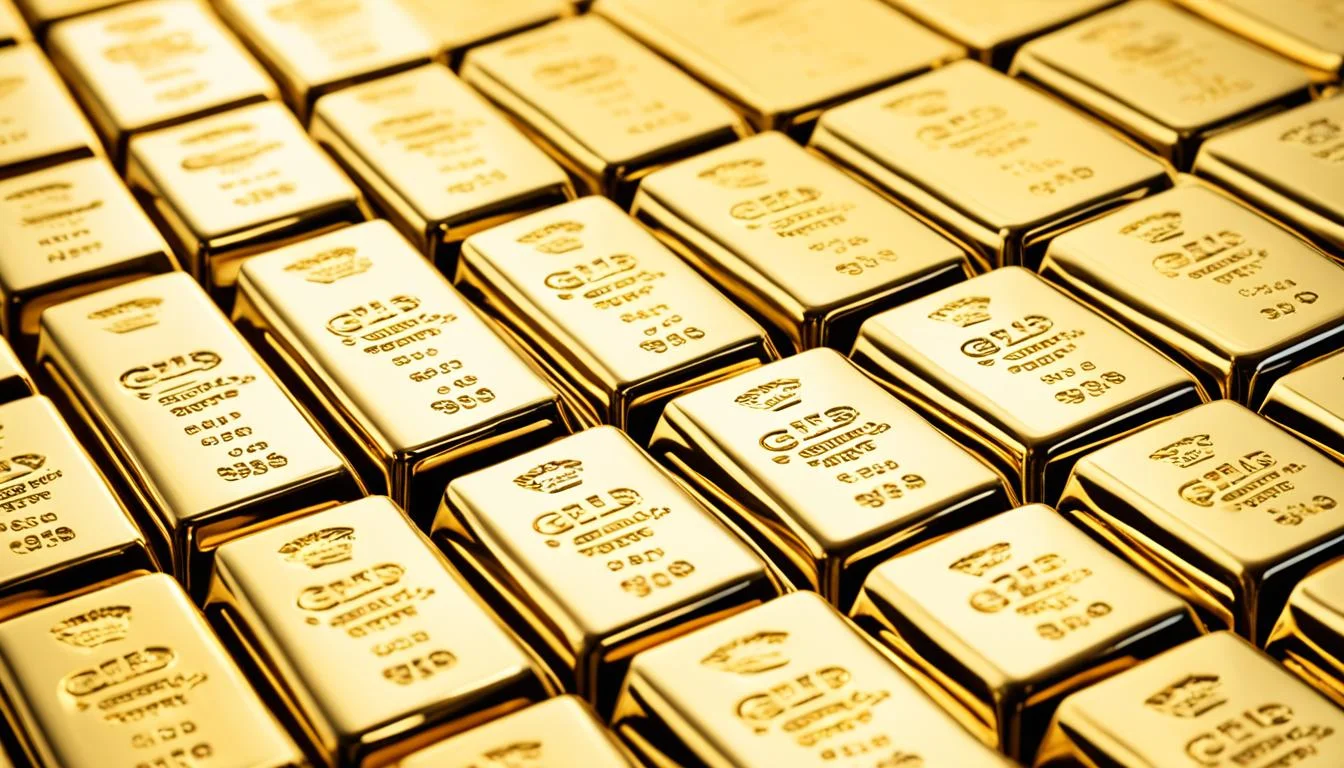
Penang has built its modern economy on chips, electronics and manufacturing. Now, it is looking to add gold to that portfolio.
The opening of Public Gold’s RM30 million refinery in Batu Kawan on Tuesday, September 15, marks a significant new step for the state’s precious-metals industry.
The facility can refine up to 10 tonnes of precious metals a year, with capacity to expand to between 20 and 50 tonnes depending on demand.
It is also a natural move for a state that already dominates Malaysia’s gold jewellery manufacturing.
According to Entrepreneur and Cooperatives Development Minister Steven Sim, Penang accounts for about 70% of Malaysia’s gold jewellery manufacturing capacity.
Malaysia’s jewellery trade reached RM12.13 billion in the first half of 2026, after hitting a record RM22.46 billion in 2025.
The foundation is clearly there. What Penang does next is what matters.
Sim has floated the idea of Penang becoming an ASEAN gold bazaar, supported by gold storage facilities and a wider trading ecosystem.
Chief Minister Chow Kon Yeow has also described the refinery as an opportunity to add another high-value sector to Penang’s strengths in manufacturing, technology and international trade.
That ambition makes sense. But a refinery is not a gold hub. It is the infrastructure that can help build one.
For Penang to become a serious regional gold centre, the ecosystem around the refinery needs to grow with it.
That means secure storage, internationally recognised certification, financial services, trading platforms, logistics, skilled workers and stronger links between manufacturers, refiners and international buyers.
Penang already has much of the industrial DNA required.
Its semiconductor and electronics sectors were built through interconnected manufacturers, suppliers, engineers, logistics companies and skilled workers. The same principle can apply to precious metals.
The opportunity is not to replace chips with gold. It is to build another high-value industry alongside them.
There is also a strong historical foundation.
Penang’s gold and jewellery trade dates back roughly 200 years, with the Penang Goldsmith Association tracing its roots to 1832.
George Town’s traditional goldsmith trade developed around areas such as Campbell Street and Jalan Masjid Kapitan Keling, where Chinese, Indian and Arab jewellers built a longstanding commercial network.
By the early 20th century, several goldsmith businesses were already operating in the city, while the industry grew into a major manufacturing and retail base over the decades.
The new refinery brings another important piece into that existing network.
It allows scrap gold to be refined locally instead of being sent overseas, potentially reducing transportation, insurance and refining costs.
Public Gold said it had exported around two tonnes of scrap gold to Hong Kong and Singapore for refining over the previous two months before the new facility came online.
That is the kind of development that can create momentum.
More refining can support more manufacturing. More manufacturing can attract more suppliers. More suppliers can create demand for specialised services. And a larger industry can make Penang more attractive to international traders and investors.
That is how a gold hub is built. Not through a slogan, but through an ecosystem.
Penang has already established itself as a manufacturing powerhouse. Its latest challenge is to turn that industrial strength into a broader economic advantage.
The refinery is a promising first step.
Now Penang needs to build everything around it.