
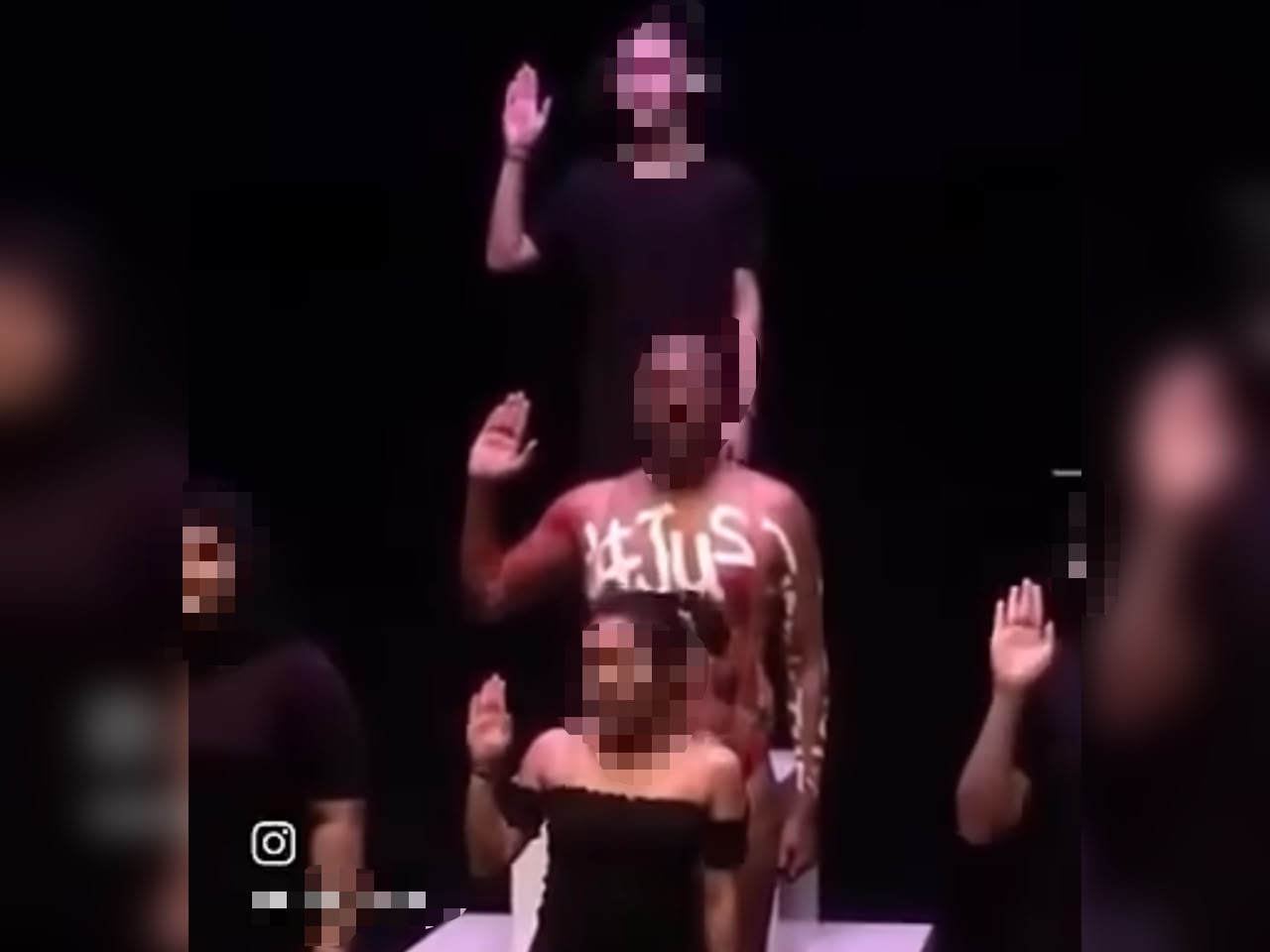
An eight-year-old theatre performance has resurfaced online, gone viral and triggered a police investigation involving three of its actors.
The 2018 performance, staged behind closed doors at a performing arts centre in Penang, featured five actors reciting the Rukun Negara alongside dialogue that police described as racially sensitive.
There was no police report when the performance took place, and the recording did not go viral at the time. It resurfaced this month after being re-uploaded online for Malaysia Day.
Bukit Aman is investigating the matter under Section 4(1) of the Sedition Act 1948 and Section 233 of the Communications and Multimedia Act 1998.
Three of the five actors were detained for questioning and have since been released on police bail. Police said checks of their phones and other devices found no recordings of the performance.
Of the remaining two actors, one has died and another is believed to be in the United Kingdom. Police are also tracing the person who re-uploaded the recording.
There is context worth establishing. But context should not become an excuse for what was said.
Police said the 2018 event was held behind closed doors, with several groups given between 10 and 15 minutes to perform.
The performing arts centre has since closed, while the performance director, a UK national, has reportedly left the country.
The viral clip shows actors reciting the Rukun Negara while making racial references and mocking the national principles.
Whatever the intended artistic message was, the material shown is plainly capable of causing offence and deserves scrutiny.
The fact that it was theatre does not place it beyond criticism. Artistic freedom allows people to challenge institutions and ideas, but it does not automatically shield every form of expression from consequences.
That does not mean the three actors should be presumed guilty.
Police are still establishing what happened, who was responsible and whether any offence was committed. The investigation papers will eventually be referred to the Attorney General's Chambers for further advice.
The distinction is simple: we can wait for the investigation without excusing the content.
The Malaysian Theatre Association has called for the matter to be investigated according to the law while stressing the importance of understanding the performance's context. That is a reasonable position.
The authorities should establish the full picture, including who created the performance, what its original context was and who brought the recording back online eight years later.
But if the investigation establishes that laws were broken, those responsible should be held accountable.
An eight-year-old performance does not become harmless simply because it stayed offline for years. And a viral clip does not give anyone a license to decide guilt before the facts are established.
Let the police do their job.
Then, if wrongdoing is established, let accountability follow.