
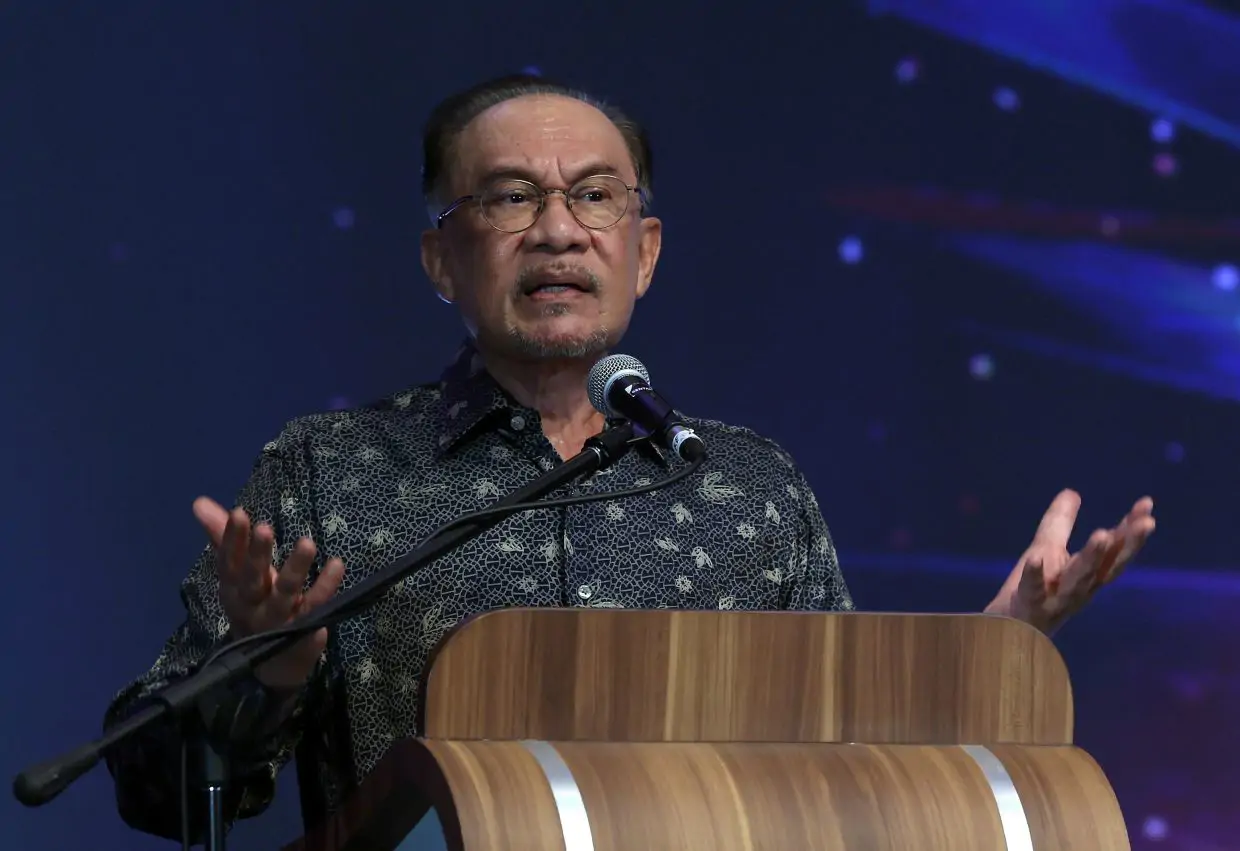
Prime Minister and Finance Minister Anwar Ibrahim will table Budget 2027 in Parliament next Friday. If you follow Malaysian politics even casually, you can already guess what it will look like. It will be a budget full of candy.
Malaysia is entering an election cycle. This is almost certainly the final budget before the 16th general election — unless Anwar stretches the term to late next year. The Unity Government needs to generate goodwill. It needs to win back support. It needs to give people something to feel good about.
In that context, pushing reform and asking citizens to tighten their belts would be political self-harm. The coalition has already lost Johor and Negeri Sembilan. The budget is not just a fiscal document. It is a campaign platform.
What People Expect
The public expects goodies. Tax cuts. Cash assistance. Higher subsidies. More incentives for businesses, more grants for startups, more support for this sector and that sector. Every announcement will be welcomed. Every allocation will be demanded. Nobody will complain that there is too much.
Truth is, this is not unique to Malaysia. Voters everywhere prefer benefits to costs. But the Malaysian version has a particular flavour: an almost universal assumption that the government can and should provide, without an equally universal willingness to ask where the money comes from.
The Contradiction We Refuse to Name
The same public that demands good governance, institutional reform, and long-term thinking is often unwilling to accept the changes that reform requires. People want the destination but not the journey. They want the medicine but not the taste.
Everyone agrees that subsidies need to be restructured. Everyone agrees that the tax base must be broadened. Everyone agrees that Malaysia cannot keep running deficits while funding increasingly expensive public expectations. And yet, the moment a policy touches a voter's own pocket, the consensus collapses.
The government must reform. It must protect the country's long-term interests. But it cannot touch the cheese on the voter's table. If it does, it risks being voted out — and then it cannot reform anything at all.
The very act of governing responsibly becomes politically dangerous. The only safe path is to keep giving away money the country cannot afford, until the bill arrives for someone else to pay.
Why This Budget Matters More Than Most
If Anwar delivers a generous budget, he shores up support among the B40 and M40 households that have felt squeezed by the cost of living. He gives his coalition something to campaign on. He neutralises the opposition's argument that the government has not done enough.
But if the budget is generous without a credible plan to pay for it, it mortgages the future. Every ringgit of subsidy, every cash transfer, every incentive package has to come from somewhere — either from higher revenue, from deeper borrowing, or from cuts elsewhere.
Malaysia's tax-to-GDP ratio sits at around 11.8 percent, among the lowest in Southeast Asia. The regional average is 19 per cent. The country cannot fund universal healthcare, modern infrastructure, quality education, and generous cash assistance on its current tax base. Something has to give.
The government knows this. That is why it has spent years discussing tax reform, subsidy targeting, and fiscal consolidation. But those discussions are always held at a safe distance from the ballot box.
The GST debate is the clearest example. Economists, industry groups, and international institutions have all pointed out that Malaysia's consumption tax structure is inefficient. But no politician wants to be the one who reintroduces a tax that was used to topple a government in 2018.
The same applies to fuel subsidies. The government has acknowledged that the current system is unsustainable. It has introduced targeted mechanisms and adjusted quotas. But every adjustment has been accompanied by reassurances that no one will be worse off.
The Question Nobody Wants to Ask
The question that Budget 2027 should answer, but almost certainly will not, is this: who pays?
If the government expands cash assistance, who funds it? If it cuts taxes, which services are cut instead? If it increases subsidies, where does the money come from? If it borrows, who repays the debt?
These are not abstract questions. They are the questions that determine whether Malaysia's fiscal position is sustainable or whether the country is living on borrowed time. They are also the questions that no politician wants to answer before an election.
The Choice We Keep Avoiding
Malaysia faces a choice that every maturing economy eventually confronts: does it want to be a country that makes hard decisions and secures its future, or a country that keeps handing out candy and hopes the bill never arrives?
The answer, so far, has been to postpone the choice. Budget after budget has expanded spending without a matching plan to expand revenue. The national debt has grown. The deficit has narrowed only modestly. The structural problems remain.
Budget 2027 will almost certainly continue this pattern. It will be generous. It will be popular. It will give people what they want. And it will leave the harder questions for another day.
That day is coming. It always does. The only question is who will be in power when it arrives — and whether they will have the courage to say what their predecessors could not.