
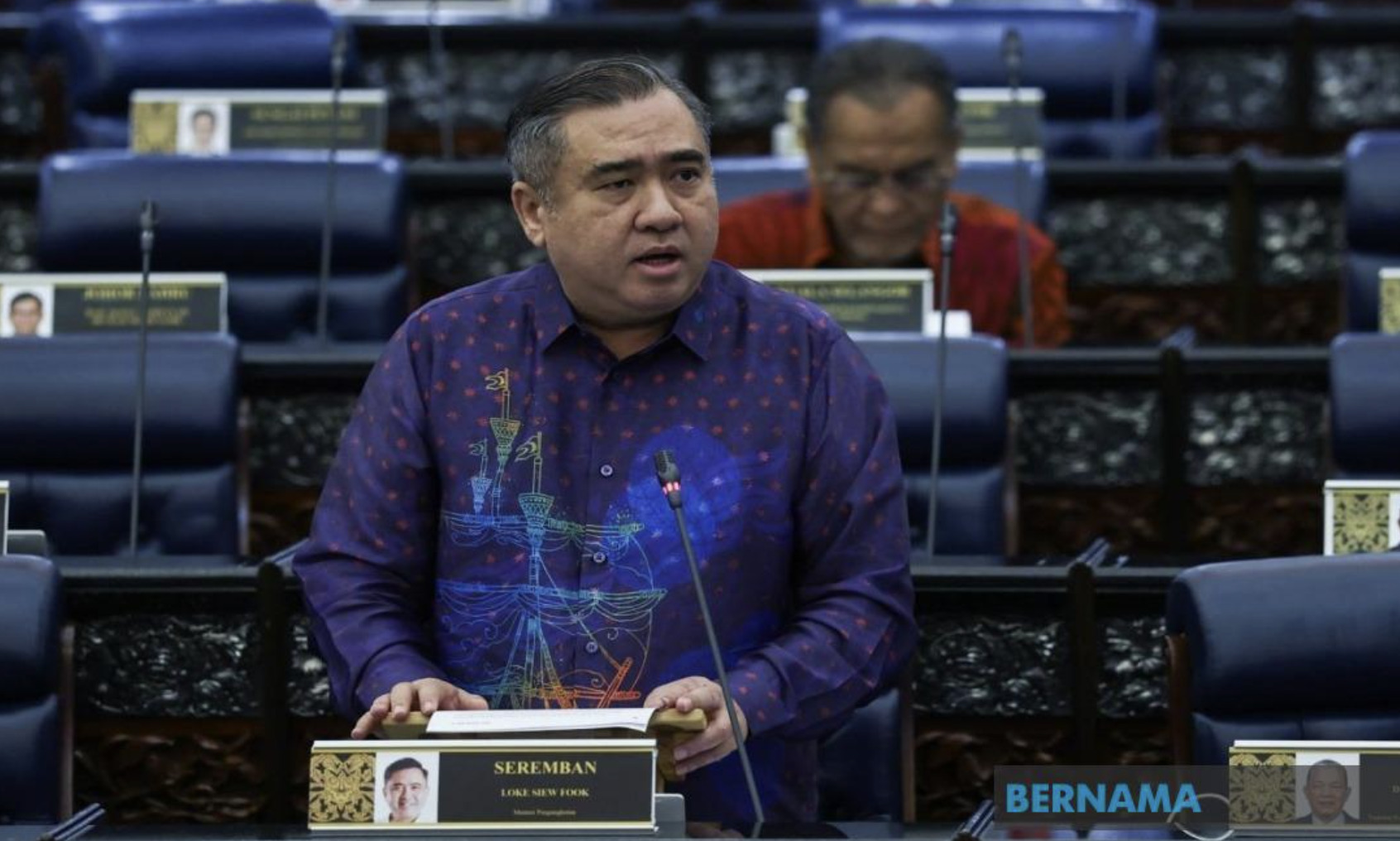
On 15 October, Transport Minister Anthony Loke told Parliament that the government was studying whether courts should be empowered to seize assets belonging to convicted drunk or drug-impaired drivers who fail to pay court-ordered compensation.
The proposal forms part of amendments to the Road Transport Act 1987, which the government is targeting to table in Parliament in early 2027.
According to Bernama, the proposed mechanism would also consider additional penalties for offenders who fail to fulfil their compensation obligations.
The reform is a necessary step towards a more complete system of justice. However, its success must not be measured by how severe the punishment sounds. It must be measured by whether victims actually receive the compensation they are owed.
A conviction is not the same as compensation
Under Section 44 of the Road Transport Act 1987, serious offences involving driving under the influence can carry imprisonment, substantial fines and driving disqualification.
These penalties serve an important purpose which is to hold offenders accountable under criminal law.
But a prison sentence does not pay for a victim’s rehabilitation. A fine does not replace the income lost when someone can no longer work. And a conviction cannot restore the financial security of a family that has lost its primary breadwinner.
For victims who survive with serious injuries or permanent disabilities, the consequences of a crash may continue long after criminal proceedings have ended.
The justice system must recognise that the consequences of a serious road crash do not end with the court’s verdict.
Transport Minister Anthony Loke has acknowledged a significant gap in the existing process. As reported by Bernama, victims seeking compensation currently have to pursue separate civil proceedings, which can be costly and take years to resolve.
That creates an additional burden for people who may already be struggling financially and emotionally.
Victims should not have to fight a second legal battle simply to seek financial recovery for harm caused by an offender who has already been convicted.
Compensation must be more than a court order on paper
Allowing courts to order compensation during criminal proceedings could make the process more accessible by reducing the need for separate litigation.
Studying asset seizure also addresses a fundamental problem: an order to pay means little if an offender can simply refuse to comply.
The government must therefore ensure that the proposed amendments establish an effective mechanism to enforce compensation orders, rather than merely adding another penalty to the list of consequences facing convicted drivers.
This requires clear provisions for identifying and recovering eligible assets, determining compensation based on the actual harm suffered, and ensuring that payments reach victims or their families.
The compensation framework must account for medical expenses, rehabilitation, lost earnings, long-term care and the financial consequences of death. Awards should reflect the circumstances and losses of each case rather than rely on an arbitrary, one-size-fits-all formula.
The government must also clarify how the new orders will interact with insurance claims and existing civil proceedings.
According to Free Malaysia Today, Bukit Gelugor MP Ramkarpal Singh raised questions about how the proposed scheme would prevent double compensation without undermining victims’ rights to claim fair damages.
These are implementation questions that the legislation must resolve. They should not become reasons to delay the principle that victims deserve meaningful financial redress.
The burden of accountability must not fall on victims
Asset seizure alone cannot guarantee recovery in every case.
An offender may have no recoverable assets, while others may deliberately conceal wealth or evade payment.
The law must establish practical enforcement procedures and distinguish genuine inability to pay from deliberate non-compliance.
Where an offender cannot pay immediately, a clear framework for assessing financial circumstances and enforcing payment is essential. Where assets are available, victims should not be left without an effective route to recover compensation.
The government must also ensure that the reform does not inadvertently make imprisonment the default response to unpaid compensation when an offender genuinely lacks the means to pay.
Additional punishment may satisfy a demand for tougher consequences, but it does not automatically put money into a victim’s hands.
The priority must remain financial recovery for those harmed, supported by enforcement measures that work in practice.
This is not an argument for replacing criminal punishment. Imprisonment, fines and driving disqualification remain important consequences for serious offences. Compensation serves a different purpose which is to address the harm suffered by victims and their families.
Both responsibilities must be taken seriously.
The government has already moved beyond merely discussing the principle.
The Cabinet agreed in principle to the proposed amendments in July 2026, and the Transport Ministry is working towards tabling the Bill in early 2027, subject to the completion of policy development and legislative drafting.
That process must produce more than a symbolic promise of justice.
Malaysia needs a system in which victims can seek compensation without being forced through unnecessarily burdensome proceedings, court orders can be enforced effectively, and awards reflect the real consequences of an offence.
A person convicted of causing a serious crash through impaired driving should face the criminal consequences prescribed by law. But accountability should also extend to the financial damage inflicted on others.
Justice cannot stop at punishing the offender while leaving the victim to bear the cost.