
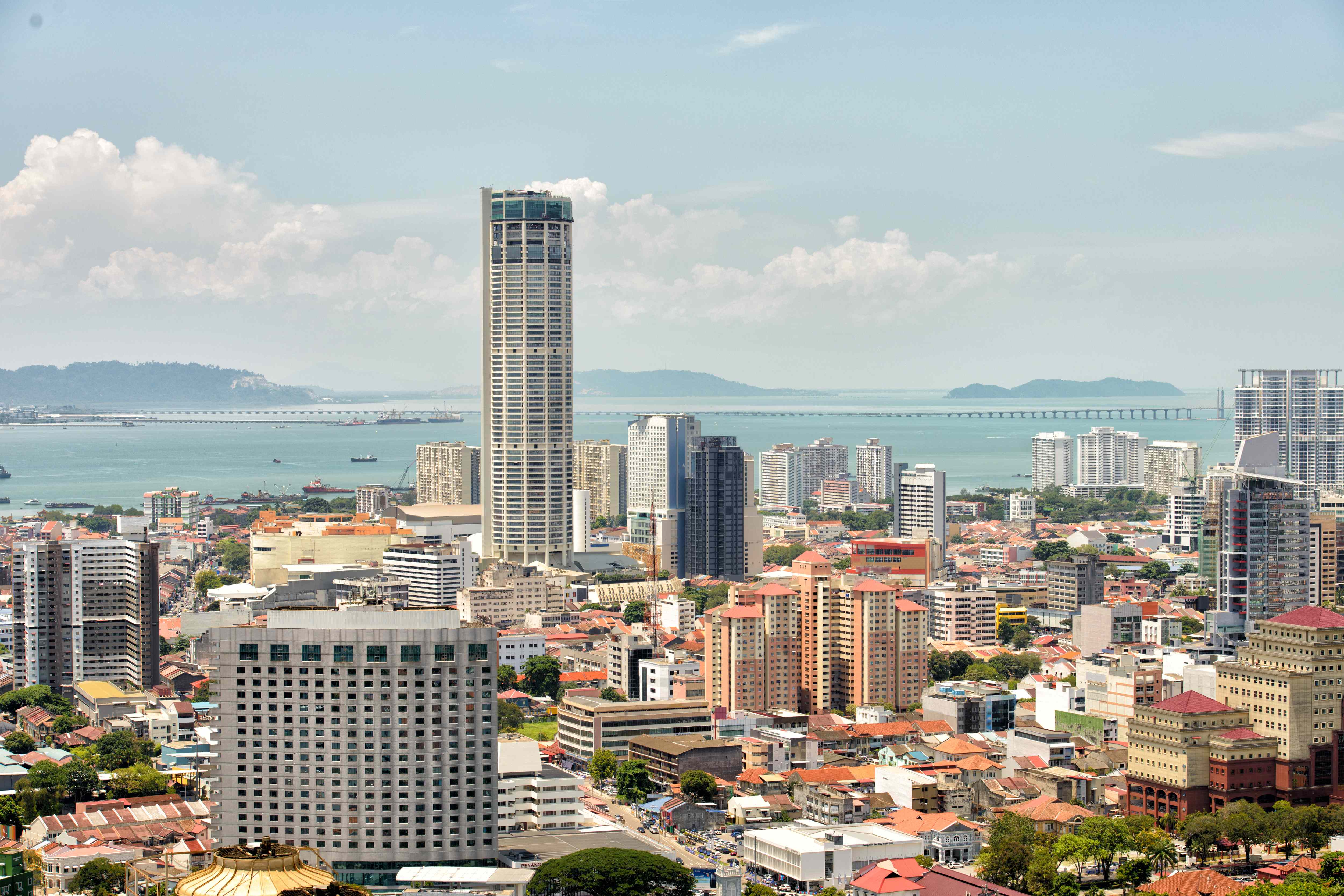
Penang has earned a place on the global travel map after being named among National Geographic’s “The Best Places in the World to Travel to in 2027”, making it the only destination in Malaysia and Southeast Asia featured on the prestigious list.
Unveiled on Oct 20, the annual selection features 25 destinations and travel experiences across six continents, chosen to inspire travellers to discover places offering distinctive landscapes, cultural experiences and new reasons to explore.
State Tourism and Creative Economy Committee chairman Wong Hon Wai said Penang’s inclusion followed a nomination, research and reporting process involving National Geographic’s travel experts and Nat Geo Traveller’s international editorial teams.
He said the recognition offered travellers around the world another reason to discover Penang, while strengthening the state’s international tourism profile.
The achievement also places Penang alongside destinations such as Vestland in Norway, Luxor in Egypt, Niigata in Japan, Chengdu in China, Jaipur in India and Melbourne in Australia.
While these destinations offer vastly different experiences, Penang’s selection highlights the appeal of a state where heritage, food, nature and modern development exist alongside one another.
More than food and heritage
Penang has long been celebrated for its food and George Town’s UNESCO World Heritage Site, but National Geographic’s latest feature highlights a broader range of experiences extending beyond the island’s best-known attractions.
The publication describes Penang as a destination shaped by the relationship between Penang Island and mainland Seberang Perai, where historic streets, rainforest-fringed beaches, traditional villages and mangrove-lined rivers contribute to its distinctive character.
On the island, visitors can explore George Town’s historic streets, cultural landmarks and celebrated food scene before heading towards Penang Hill, where rainforest trails offer a closer look at the state’s natural environment.
The mainland, meanwhile, presents a different side of Penang, with rural communities, wetlands, river ecosystems and agricultural landscapes offering opportunities for heritage and nature-based tourism.
This combination gives visitors more than one way to experience the state, bringing together urban heritage, coastal scenery and local community life within a single destination.
Penang’s latest recognition also builds on its appearance in National Geographic’s 2025 coverage of the best islands in Southeast Asia for food, which celebrated its distinctive culinary heritage.
The two features highlight different aspects of the state’s appeal, from its internationally recognised food culture to the wider mix of landscapes and experiences available to travellers.
Seberang Perai takes a bigger role in tourism
Penang’s international recognition comes as the state continues efforts to broaden its tourism offering, particularly by developing Seberang Perai as a complementary destination to the island.
In September, Wong said the mainland was increasingly emerging as an important second tourism wing for Penang, with its own strengths in natural ecosystems, heritage, agriculture, rural experiences and local food.
Among the attractions highlighted in these efforts are the Guar Kepah Archaeological Gallery, which showcases the mainland’s archaeological and historical significance, and the Penang River Cruise, which introduces visitors to river landscapes and mangrove ecosystems.
The state is also working to bring greater attention to local heritage and community-based tourism through initiatives such as Kota Warisan Perai, launched in February to showcase traditional villages along Sungai Perai.
The initiative aims to connect visitors with the area’s history, natural environment and local way of life while creating opportunities for community participation and economic activity.
Together, these efforts reflect a broader approach to tourism development: building on Penang’s established attractions while introducing visitors to places and experiences that may be less familiar to international audiences.
The growing presence of international hotel brands in Seberang Perai also points to continued development of the mainland’s hospitality offering, complementing its expanding portfolio of tourism attractions.
A new chapter for Penang’s global appeal
National Geographic’s selection provides another opportunity to introduce Penang to travellers planning their journeys for 2027, particularly those seeking destinations that combine cultural discovery with outdoor experiences.
For the state, the challenge and opportunity lie in translating international attention into deeper visitor interest across its different districts and communities.
Wong said the recognition reflected the collective efforts of Penang’s tourism industry stakeholders, whose collaboration and sustained work have contributed to the state’s development as an international tourism destination.
He added that the state government would continue to strengthen Penang’s tourism brand, raise its international profile and enhance its appeal to visitors from around the world.
With its established reputation for food and heritage, diverse natural landscapes and continuing efforts to develop new tourism experiences, Penang has another reason to celebrate its place on the global stage.
Its inclusion in National Geographic’s 2027 list is not only a recognition of what makes the state distinctive today, but also an opportunity to show more travellers how much there is to discover across Penang Island and Seberang Perai.