
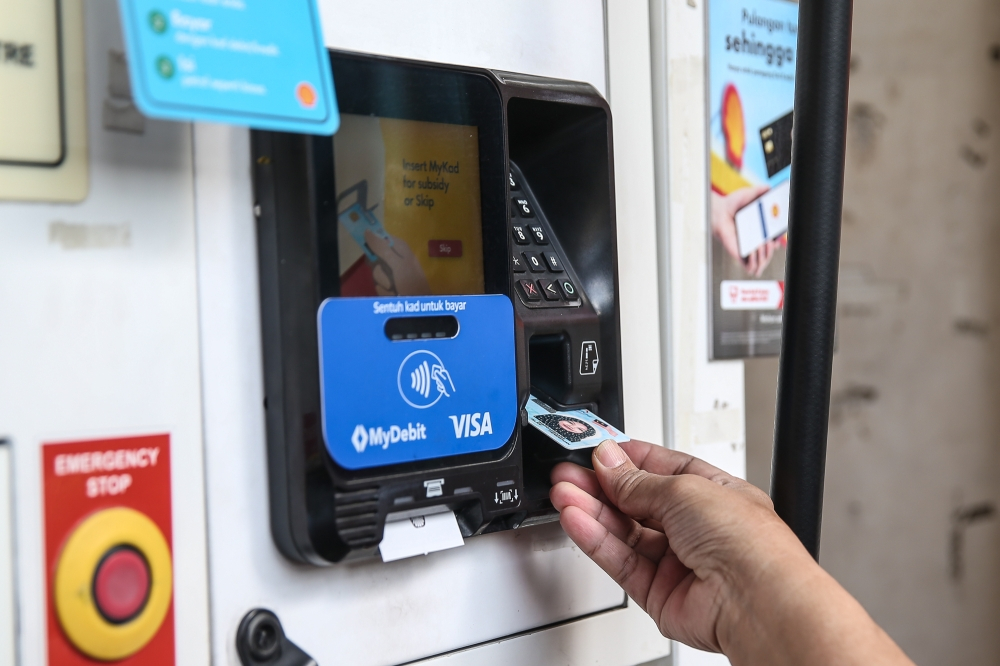
More than 1,000 transactions involving over 100,000 litres of petrol and subsidies exceeding RM270,000 have been flagged in a suspected abuse case at a Penang petrol station, raising questions over the effectiveness of safeguards under the BUDI MADANI RON95 (BUDI95) programme.
The Finance Ministry has barred the station in Sungai Buaya, Nibong Tebal, from selling subsidised RON95 petrol and diesel under the BUDI MADANI scheme following complaints from recipients who alleged that their MyKad information had been used without their knowledge.
In a statement on Oct 27, the ministry said its review of the station's records identified more than 1,000 transactions carried out using a manual-bypass method.
The transactions involved more than 100,000 litres of petrol, with subsidies amounting to over RM270,000.
The ministry has withheld subsidy payments to the station, initially amounting to more than RM270,000, pending further reconciliation. It has also identified other individuals suspected of being linked to the case and is examining their transaction records.
According to The Star, nine individuals, including the station's owner and family members, have been barred from using BUDI MADANI subsidies pending further action.
The ministry has not named the station. The investigation into the suspected abuse and the involvement of other individuals remains ongoing.
MyKad complaints raise concerns over verification
The case began after BUDI95 recipients lodged complaints that their MyKad details had allegedly been used to purchase subsidised petrol without their knowledge. The ministry said the complaints prompted police investigations and subsequent checks of the station's transaction records.
The incident raises questions about how personal identification details could be used in transactions without the cardholders' knowledge, and whether existing verification procedures were sufficient to detect irregularities.
BUDI95 relies on MyKad verification to facilitate access to subsidised RON95 petrol. The integrity of that process is therefore important not only for preventing improper subsidy claims, but also for protecting recipients from unauthorised transactions.
The ministry had already warned against such misuse in May, following reports of alleged unauthorised MyKad use in BUDI95 transactions.
In a statement on May 29, it said no party was permitted to use another person's MyKad number or information without consent to obtain BUDI95 subsidies.
The ministry also stated that manual transactions conducted without prior physical verification of the MyKad were not permitted, warning that such practices could open the door to unauthorised transactions and subsidy abuse.
It directed fuel retailers to strengthen compliance with verification procedures, investigate transactions that appeared to breach standard operating procedures and improve internal monitoring.
The measures included retraining frontline staff, displaying verification procedures at payment counters and providing appropriate compensation to affected customers, subject to investigation outcomes.
The latest case raises the question of whether those measures were implemented effectively and whether suspicious transaction patterns could have been identified earlier.
What the case reveals about subsidy safeguards
The discovery of more than 1,000 manual-bypass transactions highlights the importance of examining how exceptions to standard verification procedures are handled.
While manual-bypass transactions do not, by themselves, establish that every transaction was fraudulent, their reported scale warrants scrutiny over the circumstances in which they occurred, who authorised them and whether the required checks were followed.
A verification system must do more than establish eligibility at the point of purchase. It also needs effective monitoring to identify unusual transaction patterns, investigate potential misuse and ensure that retailers comply with programme requirements.
In this case, the ministry's review identified transactions involving more than 100,000 litres of petrol and subsidies exceeding RM270,000. However, the available information does not establish when the transactions took place, how long they continued or whether earlier monitoring systems generated warnings.
Those details will be important in determining whether the incident involved individual breaches of procedure, weaknesses in a particular station's operations or broader vulnerabilities that require attention.
The ministry's decision to suspend subsidised fuel sales at the station and withhold payments represents an immediate enforcement response. Its ongoing examination of other individuals' records may help establish the extent of the suspected abuse and whether further action is warranted.
However, enforcement after suspicious transactions have occurred addresses only part of the problem. The investigation should also establish how the transactions were processed, whether existing controls were bypassed and what changes are necessary to reduce the risk of similar incidents.
Protecting public funds and eligible recipients
Subsidies are intended to ease the cost of living for eligible recipients while directing public funds towards their intended purpose. Suspected misuse can undermine that objective by diverting benefits away from their intended recipients and creating additional costs for monitoring, investigation and enforcement.
The case also illustrates why consumer protection must remain part of subsidy administration. Recipients should not have to discover that their identification details may have been used improperly before the relevant authorities become aware of a potential problem.
More effective transaction monitoring, consistent identity verification and clear reporting channels could help authorities identify suspicious activity sooner. Fuel retailers also have a role in ensuring staff follow the prescribed procedures and that transactions are properly recorded.
The ministry has said it will continue monitoring BUDI MADANI transactions and take action against petrol stations or consumers found to have breached programme guidelines.
The outcome of the Penang investigation will help clarify the extent of the suspected abuse. It may also provide an opportunity to assess whether existing safeguards are being applied consistently and whether further preventive measures are needed.
Ultimately, the effectiveness of targeted subsidies depends not only on establishing eligibility rules, but also on ensuring those rules are enforced and that public funds and recipients' identities are protected.