
Penang's heavy reliance on the electrical and electronics (E&E) industry could leave the state exposed to a global economic slowdown, prompting calls for greater industrial diversification even as demand for semiconductors and artificial intelligence (AI) continues to drive growth.
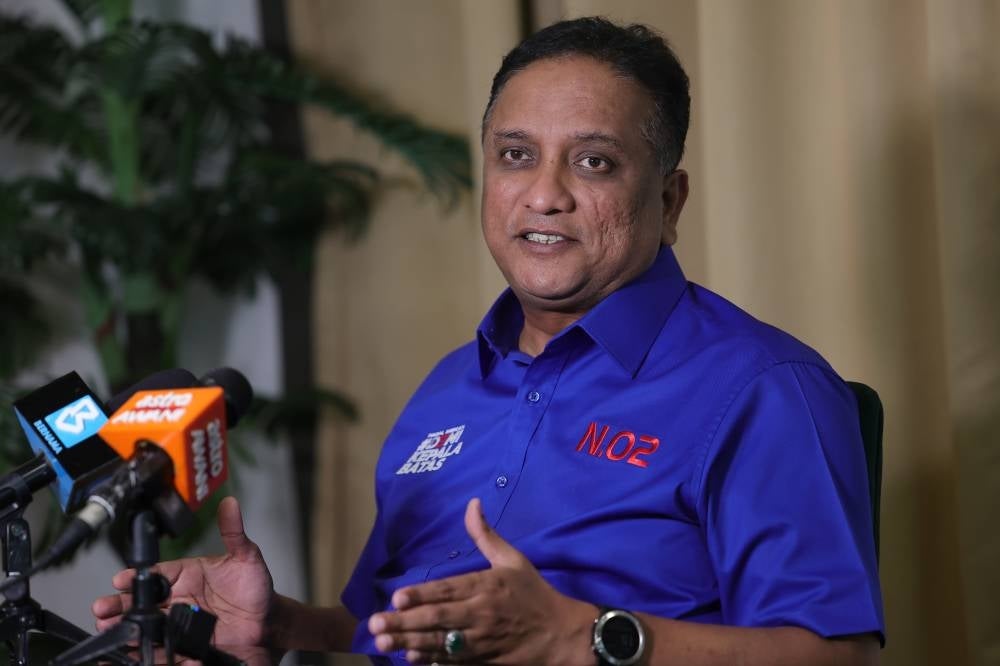
Bertam assemblyman Reezal Merican Naina Merican said E&E accounted for 82.3% of Penang's total merchandise exports, highlighting the state's exposure to fluctuations in global demand, technological disruptions and changing investment priorities.
Speaking during the debate on the Penang Budget 2027 at the state legislative assembly on November 3, he said the outlook for semiconductors and AI remained positive, but warned that industries inevitably experienced cycles of growth and decline.
He said Penang should prepare for a potential downturn while its electronics industry remained strong, rather than wait until a slowdown affected businesses and workers.
The concern is significant given the sector's contribution to the state's economy. Reezal said Penang contributed RM503.11 billion, or 70.6%, of Malaysia's E&E exports in 2025, while the industry provided more than 200,000 job opportunities.
The sector's influence is also reflected in Penang's manufacturing performance. According to the Department of Statistics Malaysia (DOSM), manufacturing accounted for 47.3% of the state's gross domestic product (GDP) in 2025, contributing RM61.7 billion in value added.
The sector expanded by 10% that year, with electrical, electronic and optical products growing by 12.7%, supported by stronger production of electronic components, communication equipment and consumer electronics.
Penang's economy grew by 7.3% to RM130.3 billion in 2025, exceeding the national growth rate of 5.2%. However, the figures also highlight how closely the state's manufacturing performance is tied to the electronics industry, reinforcing the importance of preparing for potential changes in global demand.
Diversification beyond electronics
To reduce this exposure, Reezal proposed a comprehensive industrial diversification strategy focused on developing complementary high-value industries rather than moving away from E&E manufacturing.
Among the sectors identified were medical technology, precision engineering, aerospace, automation, green technology and the electric vehicle (EV) industry.
He also called for stronger technological capabilities and greater local ownership of intellectual property, arguing that Penang's industrial development should go beyond expanding manufacturing capacity and creating jobs.
This includes increasing the participation of local small and medium enterprises (SMEs) in advanced manufacturing and strengthening access to financing for technology startups.
Reezal further proposed strengthening the Penang Technology Finance Centre through a RM100 million strategic investment fund to support businesses from research and development to commercialisation and expansion.
The proposals reflect a broader challenge for Penang: attracting investment alone may not be sufficient to build long-term economic resilience if local businesses remain limited in their ability to develop and own higher-value technologies.
Economic growth and household affordability
Beyond industrial competitiveness, Reezal also questioned whether Penang's economic achievements were translating into improvements in residents' living conditions, particularly in housing affordability.
Citing findings by Khazanah Research Institute, he said 37% of households in the state earned below RM6,000 monthly, while only 6% of new housing supply was affordable to this income group.
He urged the state government to increase the supply of homes priced below RM300,000, expand rent-to-own and public rental schemes, and assess housing needs according to household incomes and purchasing power.
The figures highlight another dimension of Penang's development challenge, as strong export and manufacturing performance does not necessarily mean housing has become more accessible to lower-income households.
While industrial diversification and housing affordability involve different policy challenges, both raise questions about how the state can sustain economic growth while ensuring its benefits reach a wider section of the population.
Penang's immediate challenge is therefore not to move away from its established electronics industry, but to strengthen the industries and local capabilities around it while addressing the economic pressures faced by its residents.